Recycling Renaissance: Transforming Old Clothes Anew
The fashion industry is undergoing a remarkable transformation. As environmental concerns grow and sustainable living practices take center stage, the recycling renaissance has emerged--propelling a vibrant movement that reimagines and repurposes old clothes. Embracing sustainability, innovation, and creativity, this trend is changing wardrobes, minds, and the very fabric of fashion culture itself.
In this comprehensive article, we delve into the world of transforming old clothes, exploring eco-friendly methods, creative upcycling DIYs, and the broader impact of sustainable fashion on society. Whether you're a passionate environmentalist, a fashionista with a green heart, or simply looking for effective ways to revitalize your wardrobe, join us on this journey through the Recycling Renaissance.
Why Recycling Old Clothes Matters
Every year, millions of tons of clothing end up in landfills, causing significant environmental damage. The traditional take-make-dispose model is not only unsustainable but also resource-intensive. According to the Environmental Protection Agency (EPA), the United States alone generated 17 million tons of textile waste in 2018, with 66% ending up in landfills.
- Textile waste contributes to landfill overflow and leaches hazardous chemicals into soil and water sources.
- Fast fashion promotes frequent disposal, increasing carbon emissions and natural resource depletion.
- Synthetic fibers like polyester require centuries to decompose, aggravating microplastic pollution.
By transforming old clothes, we save resources, reduce pollution, and contribute to a circular fashion economy--one where materials are continually reused and upcycled.
The Environmental Benefits of Clothing Recycling
- Reduces landfill waste and conserves valuable land space.
- Saves energy by lowering the demand for virgin materials like cotton and fossil fuel-based synthetics.
- Minimizes water usage--it takes up to 2,700 liters of water to produce a single cotton shirt!
- Decreases greenhouse gas emissions associated with textile manufacturing and disposal.
- Prevents pollution by diminishing the need for harmful dyes and chemicals in new clothing production.

Creative Methods for Transforming Old Clothes
The rebirth of old garments is as much an art as it is a science. Here are some exciting and innovative methods that are leading the clothing recycling renaissance:
1. Upcycling and DIY Projects
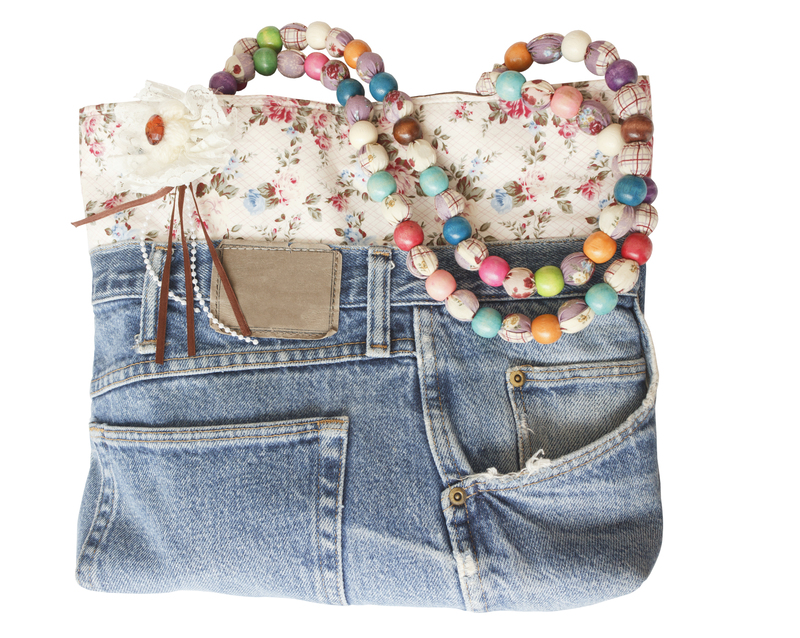
- Patchwork Magic: Combine scraps from worn-out shirts, jeans, or dresses into colorful patchwork quilts, jackets, or reusable shopping bags. This not only reuses fabric but also creates unique, statement pieces.
- Embroidery and Embellishments: Personalize plain or stained clothes with hand embroidery, iron-on patches, or sequins. Embellishing brings new life to garments that might otherwise be discarded.
- Repurposing Old T-Shirts: Transform old t-shirts into trendy tote bags, plant pot covers, headbands, or cleaning rags with just a few snips and knots--no sewing required!
- Cut and Re-sew: Convert a faded pair of jeans into stylish shorts, a dress into a skirt, or a button-down shirt into a cute top--unleashing your creativity while reducing waste.
- Dyeing and Tie-Dye: Cover up stains or faded colors with tie-dye techniques, giving old clothes a bold and modern twist.
2. Fashion Redesign and Tailoring
Many professional designers and home sewers now specialize in redesigning and tailoring old clothing. By altering the cut, adding modern elements, or combining materials, they create fashion-forward masterpieces from forgotten pieces.
- Luxury upcycling by high-end designers makes recycled clothing desirable and chic.
- Tailors can resize, re-shape, and restyle garments to fit current trends and individual body types.
3. Textile Recycling for New Fabrics
Not all garments can be upcycled or repaired. Instead, old textiles can be processed into fibers to create new fabrics--this process, also known as textile-to-textile recycling, supports a closed-loop system.
- Old cotton clothing can be mechanically shredded into fiber and re-spun to produce new yarn for eco-friendly clothing.
- Synthetic fibers, such as polyester, can be chemically recycled to create brand-new fabrics with less environmental impact.
- Textiles are also used to create insulation, carpet padding, and industrial materials, diverting significant waste from landfills.
Transforming Old Clothes into Social Impact
The Recycling Renaissance is not just about fashion--it's a movement that uplifts communities, promotes fair labor, and encourages responsible consumerism.
- Charity Donations: Gently used clothing can be donated to nonprofits, shelters, or humanitarian organizations, extending their lifespan and supporting people in need.
- Clothing Swaps: Hosting or participating in clothing swaps allows communities to exchange garments, reduce waste, and discover "new" fashion pieces at no cost.
- Local Artisans and Small Businesses: Independent tailors, upcyclers, and designers benefit from sourcing discarded materials, fostering local economies and artisanal crafts.
- Job Creation: The circular fashion ecosystem creates green jobs--from recycling plant technicians to creative upcyclers and resale platform managers.
Spotlight: Innovative Brands Leading the Recycling Revival
The clothing recycling revolution is being powered by both startups and established brands. Here are a few notable pioneers:
- Patagonia: Their Worn Wear program repairs, reuses, and recycles outdoor clothing for longevity and value.
- Levi's: Accepts old denim in-store and turns post-consumer jeans into household insulation and new fashion items.
- For Days: Their "Closed Loop" take-back program enables customers to return worn clothing for recycling and store credit.
- Renewable Apparel startups: New companies use 100% recycled materials, proving that trendy styles and sustainability can coexist.
How to Start Your Clothing Recycling Journey
You don't need to be a fashion designer or sewing whiz to embrace the recycling renaissance! Anyone can start transforming old clothes with simple steps:
1. Declutter and Sort
- Take stock of your wardrobe and sort clothes into categories: keep, donate, sell, upcycle, and recycle.
- Inspect items for wear, stains, and irreparable damage--these are prime candidates for upcycling, crafts, or recycling plants.
- Store off-season or sentimental garments properly to prevent damage and extend their lifespan.
2. Donate and Swap
- Donate gently-used items to local charities, shelters, or global initiatives like Dress for Success.
- Organize a clothing swap with friends or community groups for a fun, sustainable way to refresh your wardrobe.
- List higher-value or designer items on online resale platforms such as Depop, Poshmark, or ThredUp.
3. Get Creative with Upcycling
- Set aside time for DIY projects. Start with easy tasks like converting t-shirts to tote bags or cropping jeans into shorts.
- Follow online tutorials on YouTube, Pinterest, or Instagram for upcycling inspiration and step-by-step guides.
- Host a "DIY Upcycle" event with friends and share skills, materials, and creative ideas.
4. Utilize Textile Recycling Programs
- Find clothing recycling bins or drop-off points in your city. Many municipalities offer textile recycling services.
- Check with local retailers--some brands have take-back programs that responsibly recycle old clothes, regardless of the brand.
- Seek out eco-friendly mail-in programs for textiles not accepted locally.
Sustainable Fashion: Beyond Recycling
The transformative power of the recycling renaissance goes beyond repurposing old clothes. Consider supporting the following sustainable practices for a healthier planet:
- Buy Less, Choose Wisely: Practice mindful consumption by investing in versatile, long-lasting, and ethically made garments.
- Support Eco-conscious Brands: Choose brands that prioritize sustainable materials, fair labor, and closed-loop production systems.
- Care for Your Clothes: Wash garments in cold water, mend small damages promptly, and air dry to extend their life.
- Educate and Advocate: Share knowledge about textile recycling and encourage friends, family, and communities to participate.
- Explore "Slow Fashion": Embrace timeless styles and high-quality fabrics that transcend passing fashion trends.
The Future of the Recycling Renaissance in Fashion
As more people participate in the recycling and upcycling of clothing, the circular economy gains momentum. Technological advances, combined with grassroots creativity, suggest a thriving future for sustainable fashion:
- Advanced textile recycling technologies enable the separation and reuse of blended fabrics at scale.
- Increased collaborations between designers, scientists, and engineers drive the creation of biodegradable, regenerative, and infinitely recyclable materials.
- More accessible upcycling workshops and repair cafes pop up in cities and online, empowering communities to extend the life of clothing.
- Educational initiatives encourage students and young professionals to pursue green careers in fashion and design.
- Legislators and industry leaders advocate for "right to repair" and textile waste reduction policies worldwide.
Conclusion: Embracing the New Era of Clothing Transformation
The Recycling Renaissance is more than a trend; it's a vibrant, necessary response to the challenges of fast fashion and environmental degradation. Each time we transform old clothes anew--whether by donating, upcycling, redesigning, or recycling--we take part in a global movement for a more sustainable and ethical world.
By rethinking our relationship with clothing, investing in creative solutions, and supporting the growing culture of fashion reuse, we shape a future where "throwaway" culture becomes obsolete--and where style, sustainability, and social good go hand in hand.
Join the movement. Open your closet. Rediscover your creativity. And become part of the Recycling Renaissance--transforming old clothes, and the world, anew.
Frequently Asked Questions (FAQ) About Transforming Old Clothes
-
Q: What is the difference between recycling and upcycling clothes?
A: Recycling clothes involves breaking down materials for reuse in new products, such as fibers or insulation. Upcycling means creatively transforming old garments into new, higher-value items without breaking down the material. -
Q: Where can I recycle my old clothes?
A: You can recycle clothing through municipal textile recycling programs, retail take-back initiatives, or specialized mail-in services. -
Q: Can I earn money by transforming old clothes?
A: Yes! Selling upcycled or vintage clothing on resale platforms or at local markets can generate income while promoting sustainability. -
Q: What are some easy upcycling ideas for beginners?
A: Try turning t-shirts into tote bags, jeans into shorts, or adding embroidery and patches to refresh plain garments!
Want to learn more about the Recycling Renaissance or get started with your own clothing transformation projects? Explore online communities, local workshops, and digital resources to continue your sustainable fashion journey today!