Fostering Environmental Responsibility in Kids with Recycling
Fostering Environmental Responsibility in Kids with Recycling
Environmental stewardship is one of the most pressing issues of our time. As society grapples with pollution, climate change, and increased waste, teaching children the principles of recycling and environmental ownership has never been more important. By integrating recycling habits early, we help shape a generation of conscientious, eco-friendly citizens. This article explores effective ways to foster environmental responsibility in kids through recycling, providing comprehensive tips, resources, and strategies for parents, teachers, and caregivers.
Why Start Young? The Importance of Early Environmental Education
The formative years are crucial for shaping lifelong behaviors. Introducing children to recycling and sustainability concepts at a young age helps them develop a lasting appreciation for nature. A sense of responsibility rooted in eco-conscious habits often extends to adulthood, promoting continued care for the planet. Research shows that kids who participate in environmental activities are more likely to adopt green practices throughout their lives.
The Benefits of Teaching Kids About Recycling
- Cultivates responsibility: Children learn to take ownership of their actions and environment.
- Builds environmental awareness: Kids understand the impact of waste and pollution.
- Encourages creative problem-solving: Finding new uses for old items or reducing waste fosters creativity.
- Develops habits for life: Early lessons in recycling lay the foundation for eco-friendly adulthood.
- Empowers future leaders: Children who understand global challenges can lead their communities in sustainability efforts.
Understanding Recycling: Key Concepts for Young Learners
Before kids can meaningfully participate in recycling activities, they need to understand what recycling is and why it's important. Focus on these core ideas:
- What is recycling? - Explain that recycling means turning old items into new products, reducing waste in landfills.
- Why recycle? - Emphasize conservation of resources, reduced pollution, and preservation of nature.
- Different materials - Teach which materials are recyclable, compostable, or destined for the trash.
- The recycling process - Offer simple explanations or videos showing how items are collected, sorted, and made into new products.
Making Recycling Relatable: Everyday Examples
- Plastic bottles: Show how bottles are turned into playground equipment or clothing fibers.
- Paper: Demonstrate how newspapers become tissue or writing paper.
- Metal cans: Explain how aluminum is melted down and used again, saving energy and resources.
Practical Strategies: How to Foster Recycling Responsibility in Kids
Here are actionable steps you can take to foster environmental responsibility in children using recycling:
Lead by Example
- Model eco-friendly behavior by consistently recycling at home and explaining your choices out loud.
- Involve kids whenever possible; make sorting recyclables part of your daily routine.
Make Recycling Fun and Interactive
- Recycle games: Turn sorting waste into a game or challenge.
- Reward responsibility: Offer positive feedback, stickers, or privileges for regular participation.
- Creative reuse projects: Upcycle containers into craft projects, planters, or organizers.
Educate with Stories and Media
- Read age-appropriate books about the environment and recycling heroes.
- Watch documentaries or cartoons that highlight eco-friendly behaviors.
Integrate Recycling at School
- Start a classroom recycling program or green club.
- Collaborate on eco-projects: paper drives, battery collections, or garden composting.
- Bring recycling into science and art curriculum for cross-disciplinary learning.
Connect with the Community
- Join or participate in local clean-up campaigns.
- Visit recycling centers to see the process firsthand.
- Partner with local organizations for larger environmental initiatives.
Exploring the Three R's: Reduce, Reuse, and Recycle
While recycling is crucial, children should understand the greater context of the three R's:
- Reduce: Use and waste less. For example, choose products with minimal packaging.
- Reuse: Find new uses for items instead of throwing them away.
- Recycle: Properly sort and send items to facilities so they become something useful again.
Highlight each practice with tangible examples and inspire creativity in finding new uses for old items. This holistic approach can deepen their environmental responsibility beyond just recycling.
Creative Recycling Activities for Kids
- Building with boxes: Use packaging for imaginative construction play or art projects.
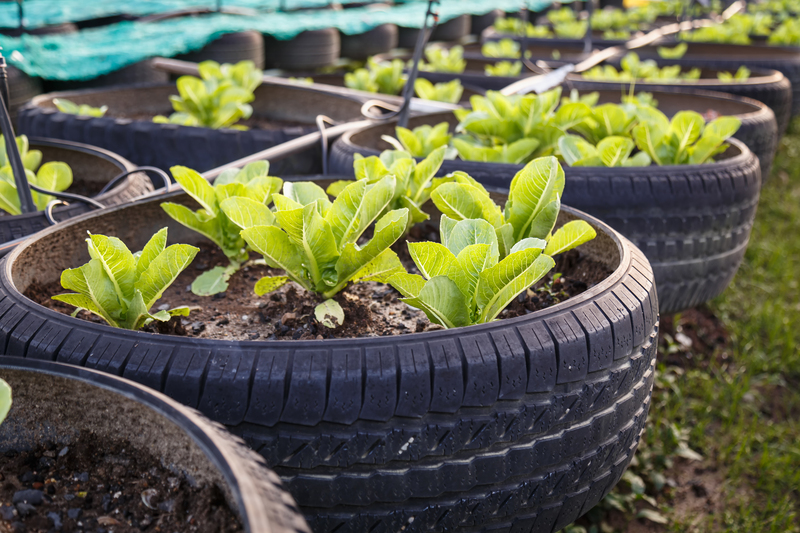
- Plastic bottle planters: Grow herbs or flowers in upcycled containers.
- Paper mache crafts: Use old newspapers and magazines for eco-friendly art.
- Organize a recycling relay race to combine physical activity with eco-education.
Overcoming Challenges: Common Obstacles in Teaching Kids About Recycling
Fostering recycling habits in children isn't always straightforward. Here are some common challenges and how to address them:
- Lack of interest: Keep activities age-appropriate and hands-on to maintain engagement.
- Confusion about recycling rules: Use color-coded bins and clear labels to simplify sorting.
- Limited access to recycling facilities: Explore drop-off programs and community resources, or focus on reusing and reducing waste at home.
- Peer influence: Encourage kids to share their knowledge and inspire eco-friendly habits among friends.
Motivating Kids for Sustainable Action
- Let children take charge of a specific recycling task, such as handling the paper bin.
- Share environmental success stories to demonstrate real-world impact.
- Set household or classroom "green goals" and celebrate achievements together.
Resources for Parents and Teachers: Teaching Recycling and Environmental Care
Supporting environmental responsibility in kids through recycling is easier with engaging materials and reference guides. Here are some excellent resources:
- Eco-focused books for kids:
- "The Adventures of a Plastic Bottle" by Alison Inches
- "Michael Recycle" by Ellie Bethel
- "The Lorax" by Dr. Seuss
- Educational websites:
- The EPA Kids' Page: epa.gov/students
- National Geographic Kids: kids.nationalgeographic.com
- Apps and online games:
- "Recycle Hero"
- "Gro Recycling"
Building Lifelong Environmental Skills: From Recycling to Advocacy
Teaching kids about recycling is the foundation for broader environmental responsibility. As they master the basics, encourage them to learn about energy conservation, water use, and environmental advocacy. Here's how to nurture these vital skills:
- Family discussions: Talk about climate change, pollution, and ways to help the planet.
- Celebrate environmental days: Participate in Earth Day or local eco-events to reinforce learning.
- Expand their eco-role: Encourage kids to lead school or community green projects.
- Empower with choices: Let children make sustainable choices when shopping or planning family outings.
Role Models and Young Environmental Leaders
- Introduce inspiring youth leaders like Greta Thunberg, emphasizing the power of young voices.
- Highlight community-led green initiatives where children make tangible impacts.
Assessing Progress: How to Measure Environmental Responsibility in Kids
Understanding how your efforts are paying off is important. Here are indicators that children are developing responsible recycling habits:
- Consistently sort and dispose of waste accurately at home or in school.
- Remind peers and family about the importance of recycling.
- Initiate reuse or recycling projects independently.
- Ask thoughtful questions about waste, conservation, or sustainable alternatives.
- Show pride in contributing to a cleaner environment.
Conclusion: Raising a Generation of Eco-Responsible Kids Through Recycling
Fostering environmental responsibility in kids with recycling is a critical step toward a sustainable future. With practical engagement, creative learning, and unwavering encouragement, parents and educators can imprint environmental Caring and eco-responsibility onto children's daily lives. These foundations not only benefit the planet but also empower young people to become proactive, resourceful, and considerate leaders.
By making recycling an engaging, relatable part of everyday life, we nurture children's curiosity and sense of achievement. In turn, they become passionate advocates for a cleaner, healthier world--one small action at a time. The seeds of environmental responsibility sown today will blossom into the solutions of tomorrow.
Frequently Asked Questions About Teaching Kids Recycling
- How can I introduce recycling to very young children?
Start with simple activities like sorting colorful objects, putting bottles in the correct bin, and reading picture books about recycling. - What if my child isn't interested in recycling?
Try hands-on crafts using recycled materials, or games that make recycling fun. - Are there resources for classroom recycling programs?
Yes! Many organizations offer school kits, posters, and lesson plans to support environmental education. - How do I stay updated with local recycling rules?
Visit your municipality's website or contact your local waste authority for current guidelines.
Together, we can build a caring and responsible generation--one eco-friendly habit at a time.